
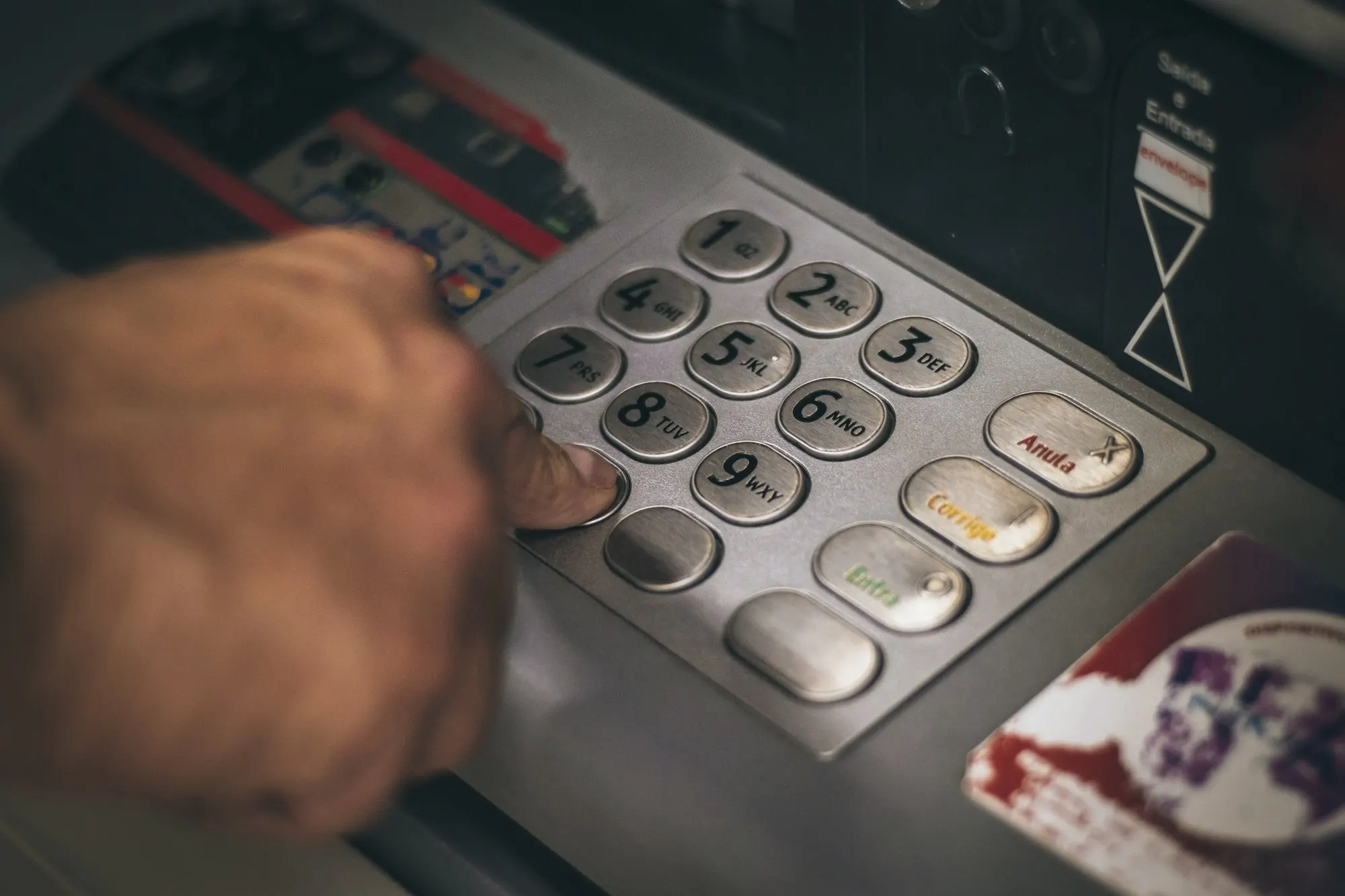
Do dispensaries take debit cards? Most licensed dispensaries do, usually with a PIN at the counter, and many also have an ATM in the lobby for customers who prefer cash. For most dispensaries, debit is the first step away from an all-cash business. Customers already carry debit cards, the checkout is quick, and your team handles less cash at the end of the night. But not every debit or “cashless” program is built the same way, and the differences can decide whether a program runs smoothly for years or stops working without warning.
This guide is for owners. It covers how PIN debit and cashless payments work, the benefits and risks, what to ask before choosing a provider, and how debit fits with an on-site ATM.
This is general information, not legal advice. Payment and cannabis rules vary by state, so check with your compliance team or attorney.
Why debit is different in cannabis
Cannabis is still federally controlled, and the major card networks don’t allow cannabis purchases to be processed as ordinary card sales. That’s why a dispensary can’t just set up a standard terminal like any other retailer. Debit programs for cannabis are built with those limits in mind, and the banks and processors behind them follow extra compliance requirements. The details of how each program handles this vary, which is why asking questions matters so much.
How PIN debit and cashless payments work
At a high level, the experience is simple for everyone involved.
For the customer
- At the counter, or at the door for a delivery, the customer inserts or taps their debit card.
- They enter their PIN.
- The amount, plus any fee that’s been disclosed, is drawn from their checking account.
- They get a receipt, and the charge later shows up on their bank statement.
How common debit is varies by state and store. Our shopper guides for Michigan, Arizona and Las Vegas and Nevada show what customers there can expect.
Some programs, often called “cashless ATMs,” treat the payment more like a withdrawal and may round the amount up to an even figure and hand back change in cash. Card networks have repeatedly shut down programs built this way, because the purchase is recorded as something it isn’t. If a provider offers it, ask them directly how it works and how it’s described.
For the store
- The sale is recorded in your point of sale, ideally without staff re-keying the total.
- The provider settles funds to your account on a set schedule.
- Your team reconciles the provider’s daily reports against the POS.
When it works well, debit feels just like a normal card payment for the customer and saves your staff a good deal of counting.
The benefits of debit and cashless payments
Less cash on hand
Every debit sale is cash you don’t have to count, store or transport. Lower cash volume can reduce the security risk to your staff and cut the time spent on end-of-day counts and deposits.
Faster checkout
Tapping or inserting a card and entering a PIN is usually faster than counting bills and making change. On a busy afternoon, that adds up to shorter lines and less pressure on budtenders.
Delivery made simpler
Drivers carrying large amounts of cash are an obvious target. A portable terminal lets customers pay at the door by debit, and pairing it with online and pre-order payments can reduce the cash in the vehicle even further.
Fewer lost sales
When a customer’s only option is the cash in their wallet, some leave without buying or buy less than they planned. Debit removes one of the most common reasons a sale falls through.
Easier refunds
A debit payment can be refunded digitally, following your state’s rules on returns, instead of pulling cash from the drawer. That keeps your records cleaner and your drawer counts accurate.
The risks to understand
Programs being shut down
Some cannabis debit programs have been shut down when a bank or card network decided they didn’t fit the rules. When that happens, a store can lose its card payment option overnight. Many of the shutdowns hit “cashless ATM” setups, which run a purchase as an ATM withdrawal; what is a cashless ATM? explains how they differ from true PIN debit. You can’t eliminate this risk entirely, but you can choose a provider who’s transparent about how its program works and has a plan for disruptions.
Fees customers see
Many programs charge the customer a small fee per transaction. That’s common, but it must be shown clearly before the customer pays. Surprise fees at checkout, or unexplained charges on a statement, damage trust and lead to disputes.
Disguised transactions
The biggest warning sign is a program that describes the purchase as something it isn’t, such as a charge under an unrelated business name. Customers get confused, card issuers and networks take notice, and those programs are the ones most likely to be shut down.
Relying on a single program
Even a solid debit program shouldn’t be your only non-cash option. If it’s interrupted, you want customers to still have a way to pay without walking out.
Questions to ask a debit provider
- How exactly is a debit transaction processed, and which banks or processors are involved?
- How does the charge appear on the customer’s bank statement? Can I see an example?
- What fees do I pay, and what fees does the customer pay? How are customer fees disclosed?
- When do funds settle, and where are they deposited?
- Does it integrate with my POS? Which terminals are supported, including for delivery?
- How are refunds handled?
- What happens if the program is interrupted, and how would I be notified?
- What are the contract length, renewal terms and termination fees?
- Who do I call for support, and when are they available?
If a provider can’t answer these clearly, keep looking. You can see how Sprout approaches it on our cannabis debit card processing page.
How debit fits with an on-site ATM
Debit and an ATM do similar jobs in different ways, and many stores run both.
| PIN debit / cashless | On-site ATM | |
|---|---|---|
| Where the money comes from | Customer’s checking account | Customer’s checking account |
| What your store receives | Settled funds from the provider | Cash at the counter |
| Cash your staff handle | Very little | Same as a cash sale |
| Customer fee | Often a per-transaction fee | ATM surcharge |
| Works for delivery | Yes, with a portable terminal | No |
| Depends on a card program for cannabis | Yes | No, the purchase itself is cash |
The ATM is your safety net. If a debit program is interrupted, a terminal is down, or a customer simply prefers cash, the ATM keeps sales moving. A fully serviced machine, where the provider installs, loads and maintains it, means your team isn’t stuck managing it. See Sprout’s dispensary ATM services, or read our post on cashless ATM alternatives for more on how the two compare.
For a wider look at every option, including credit acceptance and online payments, see our guide to choosing a cannabis payment processor.
Getting started
Sprout helps licensed dispensaries, delivery services and microbusinesses set up debit card processing alongside fully serviced ATMs, and we explain exactly how each piece works before you commit. Start an application when you’re ready, or request a call to talk it through first.